The Allure of Chance and Human Psychology
The world of gambling is deeply intertwined with human psychology, offering a potent blend of excitement, anticipation, and the ever-present possibility of reward. Understanding these psychological drivers is key to appreciating why casinos and other forms of gambling entertainment captivate so many. The thrill of the unknown, the potential for a life-changing win, and the immersive atmosphere of a casino all contribute to a powerful emotional experience, and it’s within this context that understanding platforms like plexian.org.uk becomes relevant.
At its core, gambling taps into our innate desire for novelty and reward. The intermittent reinforcement schedule, where wins are unpredictable, is particularly effective at keeping individuals engaged. This psychological principle, deeply studied by behavioral scientists, explains why even small, frequent wins can be more compelling than larger, less frequent ones. The brain releases dopamine, a neurotransmitter associated with pleasure and reward, during these moments of anticipation and winning, creating a feedback loop that can be difficult to break.
Navigating Risk and Reward in Casino Environments
Casino entertainment is meticulously designed to manage the interplay between risk and reward. Games are structured with a house edge, ensuring long-term profitability for the establishment, yet they offer enough winning opportunities to maintain player engagement. This delicate balance is crucial; too few wins, and players become discouraged, while too many wins would be unsustainable for the casino. The perception of control, even when minimal, also plays a significant role, making players feel more invested in the outcome of their wagers.
Players often develop personal strategies and superstitions, further illustrating the psychological investment in casino games. Whether it’s a lucky charm, a specific betting pattern, or a belief in “hot” or “cold” streaks, these cognitive biases shape how individuals approach risk. The social aspect of casinos, with the shared experience of excitement and sometimes commiseration, also contributes to the overall allure, making it more than just a solitary act of betting.
The Cognitive Biases at Play
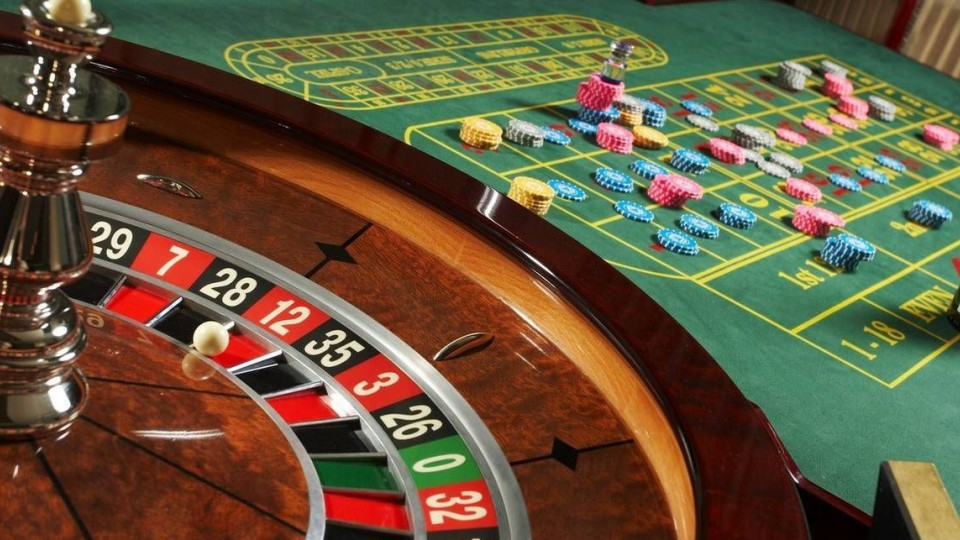
Several cognitive biases significantly influence gambling behavior. The gambler’s fallacy, for instance, is the mistaken belief that if something happens more frequently than normal during some period, it will happen less frequently in the future, or that if something happens less frequently than normal during some period, it will happen more frequently in the future. This is particularly evident in games of chance like roulette, where past spins have no bearing on future outcomes.
Another prevalent bias is the illusion of control, where players believe they have a greater influence over the outcome of games than they actually do. This can manifest in how a player throws dice or spins a roulette wheel. Furthermore, the availability heuristic can lead individuals to overestimate the likelihood of winning because they vividly remember or have heard about big wins, while downplaying the more common experience of losses.
Understanding Responsible Gambling and Entertainment
While the psychological allure of gambling is undeniable, it is crucial to approach casino entertainment with a focus on responsibility. Understanding the inherent risks and the psychological mechanisms at play empowers individuals to make informed decisions. Setting limits on time and money, recognizing the signs of problematic gambling, and viewing casino visits as a form of entertainment rather than a guaranteed income source are vital components of responsible engagement.
Responsible gambling is about maintaining control and ensuring that the pursuit of excitement does not lead to negative consequences. This involves being aware of one’s own psychological triggers and predispositions. Organizations dedicated to promoting responsible gaming provide resources and support, emphasizing that the goal of casino entertainment should be enjoyment within healthy boundaries, not financial gain at any cost.
Plexian’s Approach to Casino Entertainment
Plexian, as an entity operating within or related to the casino entertainment landscape, likely aims to provide a platform or service that acknowledges these psychological dynamics while fostering a responsible environment. Understanding the motivations of players, from the thrill-seekers to those enjoying the social atmosphere, is paramount for any successful venture in this sector. Plexian’s offerings may be designed to cater to various player preferences while incorporating elements that encourage mindful participation.
By focusing on the entertainment aspect and the psychology of engagement, Plexian can strive to create an experience that is both captivating and sustainable. This involves ensuring fair play, providing clear information about game mechanics and probabilities, and potentially offering tools or resources that support responsible gambling practices. Their commitment to user experience would ideally be balanced with a dedication to player well-being, ensuring that the excitement of casino entertainment remains just that – enjoyable entertainment.